Start Here
My Fat Loss Blueprint
Before we get into the fundamentals, I want to show you the full picture — exactly what I have been doing (and continue to do) to lose 1–2 lbs a week while still feeling full, energized, and able to enjoy my life. Every chapter that follows will break down a piece of this blueprint and help you shape your own version of it.
My goal isn't to eat as little as possible. My goal is to eat just enough to consistently lose about 1 pound of body fat each week while still feeling full, energized, and able to enjoy my life.
For me, that works out to about 1,800 calories per day — around 500 calories less than I burn in total. Your number will look different, and I'll walk you through exactly how to calculate yours in Chapter 2.
A ~500 calorie daily deficit is generally expected to produce about 1 pound of fat loss per week. That doesn't count inflammation or water weight — I've personally been losing another 0.5–1 lb per week there too. Individual results vary because water retention, hormones, activity, and consistency all play a role.
One pound doesn't seem like much…
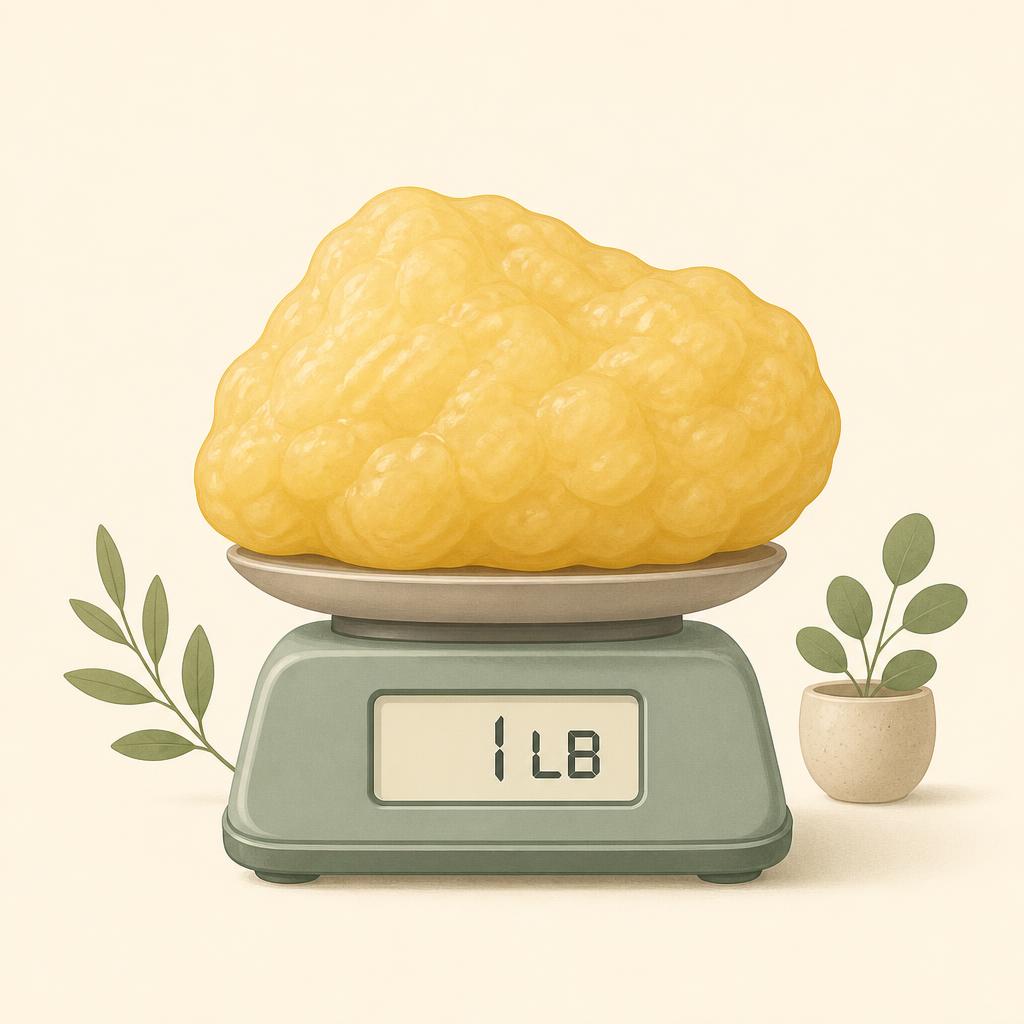
Here's what a single pound of body fat actually looks like. Not glamorous, right? But stay with me.
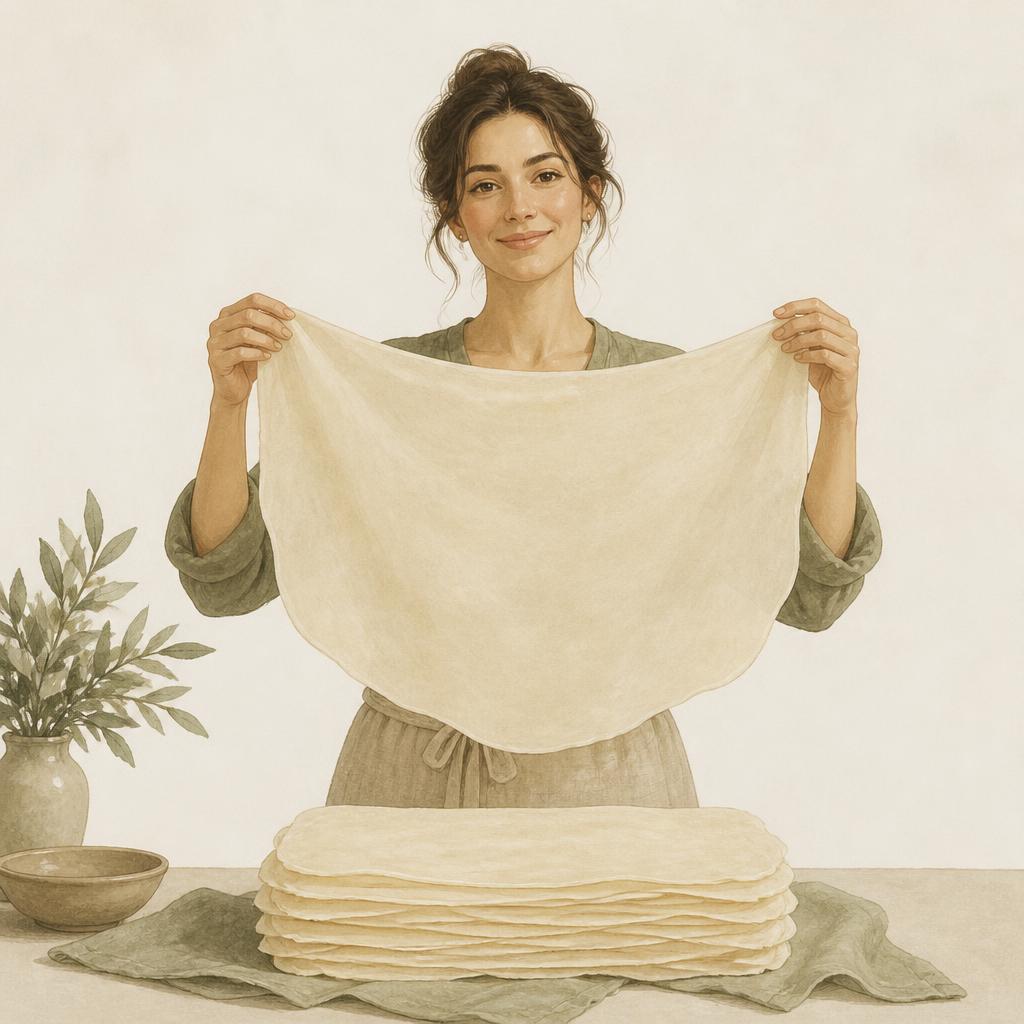
Now imagine rolling that pound of fat out as thin as a sheet of paper or dough. It suddenly covers a much bigger area than that little lump on the scale would suggest — the stomach, hips, thighs, and arms.
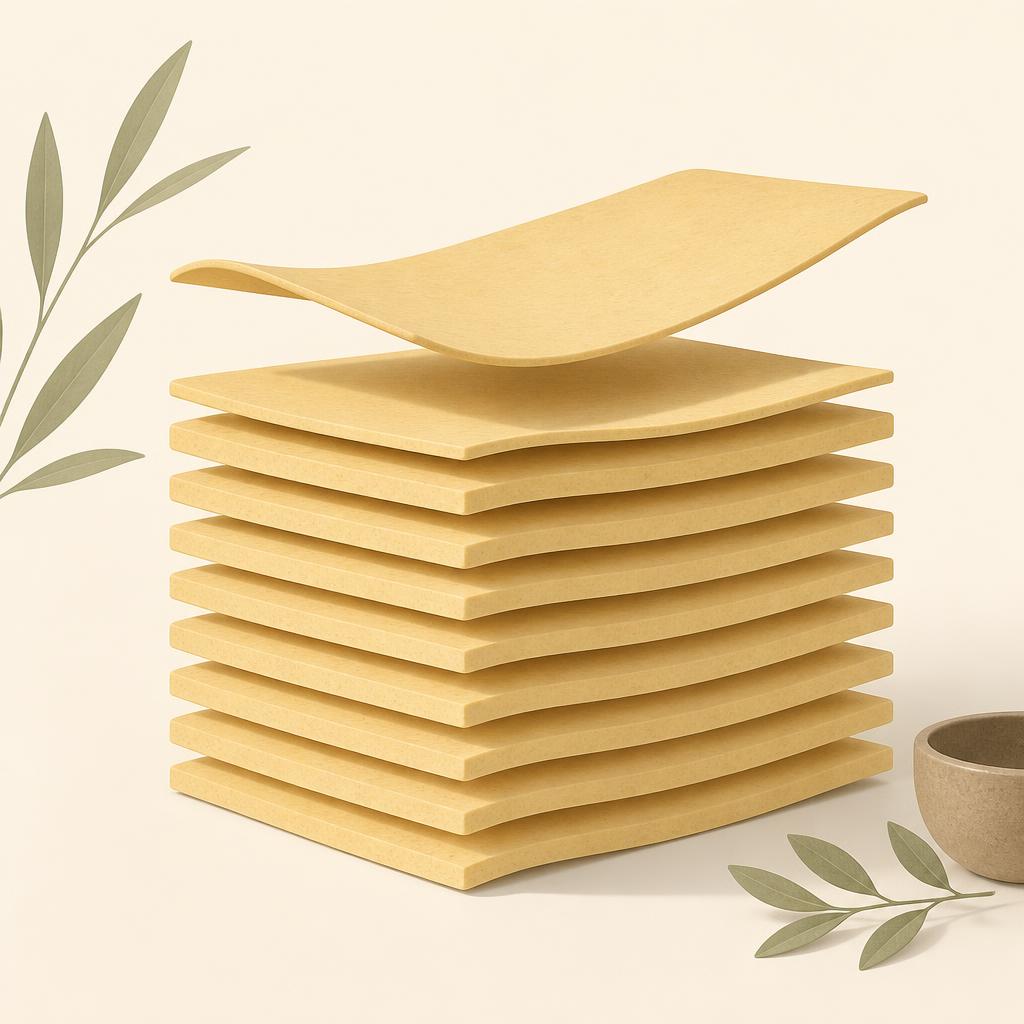
Now imagine removing one of those layers every single week. That's what steady, sustainable fat loss actually looks like — small on paper, huge over time.
How I think about movement
I don't chase 10,000 steps. I chase more movement than yesterday — on top of my morning walk.
- Sometimes it's walking 5 minutes every hour.
- Sometimes it's 15–20 squats on a bathroom break.
- Sometimes it's pacing on a phone call.
Your body doesn't care how you accumulate movement. Consistency matters more than perfection.
A typical day (not a perfect day)
This is what a normal day tends to look like for me. It's not a rigid schedule and it's definitely not perfect — it's just what I keep coming back to.
Morning
- Water first.
- A high-protein, blood-sugar-stabilizing breakfast (30g+ protein) with fiber and healthy fats — my PFF method from Chapter 1.
- Morning sunlight + a 30 minute walk (I do this 6 days a week). Every other day I use my interval walking method from Bonus Chapter 4 on the days I'm not strength training.
- If I wake up late and miss my walk, I do 30 minutes after dinner instead. My walking pad comes in so handy here.
- 3 days a week (alternating days) I do a short strength workout at home — about 20 minutes. My exact rotation is in Bonus Chapter 5.
Lunch
- A balanced meal using the Plate Method (Chapter 5).
- Protein first.
- Plenty of vegetables.
- Carbs I actually enjoy.
- Or one of my 21 rotation lunch meals from Chapter 6.
Throughout the day
- I walk whenever I can — even 5 minutes at a time.
- I focus on consistency, not perfection.
Dinner
- Protein.
- Fiber.
- Foods I actually love (yes, pizza and tacos still fit).
Evening
- A 10–15 minute walk within an hour of dinner to help with digestion, bloating, and overnight fat burning.
- Prioritize sleep — I try to go to bed and wake up at the same time every day to keep my hormones in check.
- Repeat tomorrow.
A gentle reminder
The 6 things I don't do
These are usually the questions people have before they even ask them.
- ❌ I don't cut out carbs.
- ❌ I don't avoid pizza or tacos.
- ❌ I don't spend 2 hours in the gym.
- ❌ I don't meal prep for hours every Sunday.
Sometimes I prep lunches so I don't skip them — it takes maybe 30 minutes. Other times I just double my dinner recipe and eat leftovers the next day. Whatever saves me the most time and keeps me consistent wins. The goal isn't to let your health run your entire life — it's to find a routine that fits your busy schedule.
- ❌ I don't try to be perfect.
- ❌ I don't start over every Monday.
Action Step
This is my blueprint — not because it's perfect, but because it's sustainable. The chapters ahead will teach you how to make a version of this work for your life.
As you move through the rest of the Starter Kit, keep coming back here. Every chapter is just a deeper look at one piece of this same simple day.